
What to Do If You Experience a Dental Emergency?
If you have a dental emergency, call your local dental practice immediately (+4401543503130) or visit a nearby emergency dental clinic for an urgent same-day appointment. If you experience difficulty breathing or swallowing, severe swelling affecting your airway, uncontrolled bleeding or a serious facial injury, seek emergency medical care immediately.
Dental emergencies can happen at any time. A sudden toothache, a broken tooth while eating or swelling around your gums can leave you wondering what to do next. Acting promptly can help manage pain, protect your teeth and reduce the risk of complications.
How Do You Know If You Have a Dental Emergency?
A dental problem may require urgent attention when it causes severe pain, significant swelling, bleeding, infection or damage to a tooth.
Common situations include:
- Severe or persistent toothache. A broken, cracked or badly chipped tooth.
- A permanent tooth knocked out during an accident.
- Swelling around the gums, jaw or face.
- A suspected dental abscess.
- Bleeding following a dental injury.
- A damaged filling or crown causing significant pain.
Some problems, such as a small painless chip, may not need emergency treatment. However, if you are uncertain about the severity of your symptoms, contact a dental professional for advice rather than waiting for the problem to worsen.
What Should You Do If You Have a Severe Toothache?
Toothache can develop for several reasons, including tooth decay, a cracked tooth, inflammation of the dental pulp or an infection.
If you experience severe toothache, start by gently rinsing your mouth with warm water. Carefully clean between your teeth to remove trapped food, and avoid eating on the affected side.
You can also:
- Avoid foods and drinks that trigger sensitivity.
- Apply a cold compress to the outside of your cheek if there is swelling.
- Consider an appropriate over-the-counter painkiller, following the instructions and checking with a pharmacist if necessary.
- Arrange a dental assessment, particularly if the pain persists or worsens.
Avoid placing aspirin directly on the tooth or gums, as it can damage the tissue.
Pain relief may help temporarily, but it does not address the underlying cause. If toothache is accompanied by swelling, fever or difficulty opening your mouth, seek urgent dental advice.
What Should You Do If You Break or Chip a Tooth?
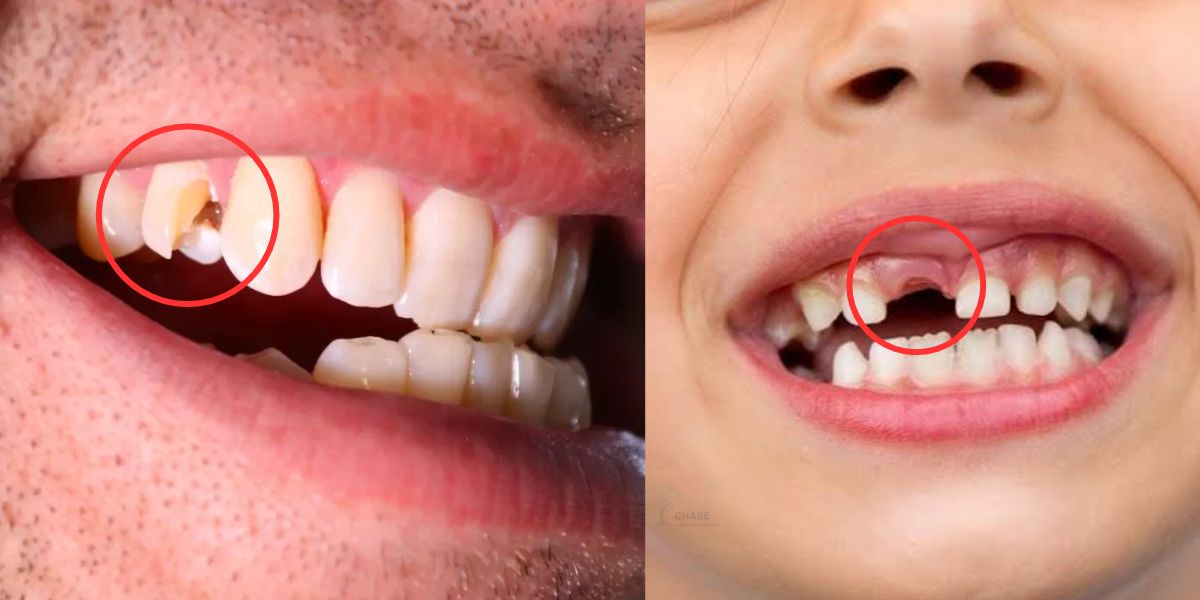
A tooth can break when you bite something hard, fall or experience an impact to your mouth. The damage may be minor, or the fracture may expose sensitive inner tissue. If you break a tooth, rinse your mouth gently with warm water. Keep any fragments you can find in a clean container and avoid chewing with the damaged tooth.
A cold compress may help reduce swelling. If the tooth has a sharp edge, avoid touching it with your tongue or cheek.
Contact your dentist to have the tooth assessed. Depending on the extent of the damage, treatment may involve smoothing a rough edge, dental bonding, a filling, a crown or root canal treatment. Even if a broken tooth does not hurt, it is worth arranging an assessment because cracks can extend or leave the tooth vulnerable to further damage.
What Should You Do If a Tooth Is Knocked Out?
A knocked-out permanent tooth needs immediate attention. Prompt action can improve the chance of saving it.
If a permanent tooth is knocked out:
- Pick it up by the crown, not the root.
- If dirty, rinse it gently with milk or saline. Do not scrub it.
- If you are confident it is a permanent tooth, try to place it back in its socket gently, without forcing it.
- If you cannot safely replace it, keep it in milk or an appropriate tooth-preservation solution.
- Seek emergency dental care immediately.
Never reinsert a baby tooth, and do not allow a knocked-out permanent tooth to dry out. Do not delay seeking help while trying to manage the injury yourself. If the injury also involves a serious facial injury, loss of consciousness or uncontrolled bleeding, seek emergency medical assistance.
What Are the Signs of a Dental Abscess?
A dental abscess is a collection of pus caused by a bacterial infection. It can develop around the root of a tooth or in the gums.
Possible symptoms include:
- Persistent or throbbing toothache.
- Swollen or tender gums.
- Swelling of the face or jaw.
- An unpleasant taste in the mouth.
- Sensitivity when biting.
- Fever or feeling generally unwell.
If you suspect a dental abscess, arrange emergency dentist to treat them. Do not try to burst the swelling yourself or rely on painkillers to resolve the infection.
Treatment depends on the cause and may involve draining the infection, root canal treatment or removing the affected tooth. Antibiotics may be needed in some circumstances, but they do not replace treatment of the source of the infection.
Seek emergency medical care if swelling affects your breathing or swallowing, spreads severely towards your neck or eye, or is accompanied by other serious symptoms.
What Should You Do If a Filling or Crown Falls Out?
A lost filling or crown can leave a tooth exposed and sensitive. It may also make the tooth more vulnerable to further damage. Until you can see a dentist, keep the area clean, brush gently and avoid hard foods or anything that causes discomfort.
If a crown has fallen out, keep it safe and take it to your appointment. Never use household glue to attach it. Contact your dentist in Cannock for advice about replacing the restoration. If you develop significant pain or the tooth is badly damaged, seek a more urgent assessment.
When Should You Go to A&E for a Dental Problem?
Most toothaches and dental injuries are best assessed by a dentist rather than a hospital emergency department.
However, seek emergency medical help if you experience:
- Difficulty breathing or swallowing.
- Severe swelling that affects your airway.
- Heavy or uncontrolled bleeding.
- A serious injury to your face or jaw.
- Significant facial trauma or loss of consciousness.
For severe toothache, a suspected abscess, a broken tooth or a knocked-out permanent tooth without these medical emergency signs, contact a dentist or urgent dental service promptly.
If your regular dental practice is closed, NHS 111 can help you find appropriate urgent dental care in England.
How Can You Get Urgent Dental Care in Cannock?
If you need urgent dental advice, contact your dental practice and explain your symptoms, when they started and whether you have swelling, bleeding or a fever.
Chase Dental Practice is located at 11 A Wolverhampton Road, Cannock, WS11 1AP. Contact the practice to ask about urgent assessment and appointment availability.
You should call before travelling because same-day appointments depend on availability and clinical need. If the practice is closed or cannot provide the care you need, contact NHS 111 for guidance on local urgent dental services.
How Can You Reduce the Risk of Dental Emergencies?
Although not every dental emergency can be prevented, looking after your teeth and gums can reduce the risk of many common problems.
- Brush twice daily with fluoride toothpaste.
- Clean between your teeth every day.
- Attend regular dental check-ups. Avoid chewing ice or other very hard objects.
- Wear a suitable mouthguard during contact sports.
- Have persistent toothache or sensitivity assessed early.
- Follow your dentist’s advice about damaged fillings, crowns and other restorations.
Early treatment can sometimes prevent a minor problem from developing into a more painful or complicated condition.
Final Thoughts
Knowing how to respond to a dental emergency can help you protect your teeth and recognise when professional treatment is needed. Severe toothache, a broken tooth, a knocked-out permanent tooth and signs of infection should all be taken seriously.
If you experience a dental problem in Cannock, contact Chase Dental Practice to discuss your symptoms and available appointments. If the practice is unavailable, NHS 111 can help you find an appropriate urgent dental service.
Getting the right advice promptly can help you manage the problem safely and reduce the risk of further complications.
