A Complete Guide to Choosing the Right Braces of Teeth
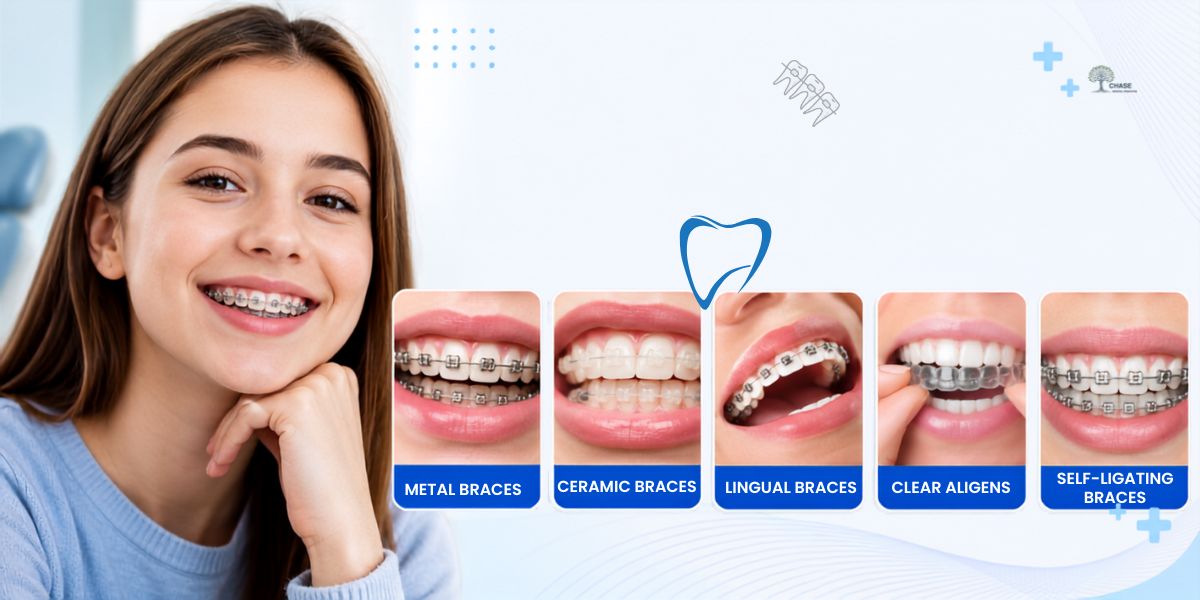
A straight, healthy smile can improve both your confidence and your oral health. Thanks to modern orthodontics, there are now several types of braces available, making it easier than ever to find a treatment that suits your lifestyle, budget, and dental needs.
Whether you’re a teenager looking for a reliable solution or an adult seeking a discreet way to straighten your teeth, understanding the different types of braces can help you make an informed decision.
Different Types of Braces for Teeth
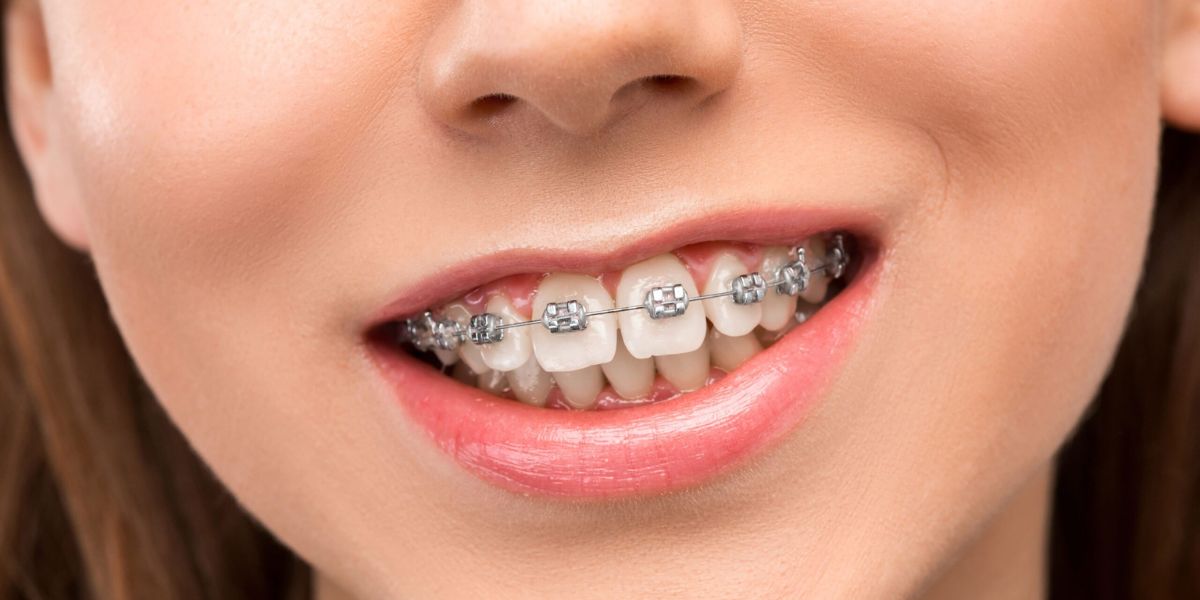
1. Traditional Metal Braces
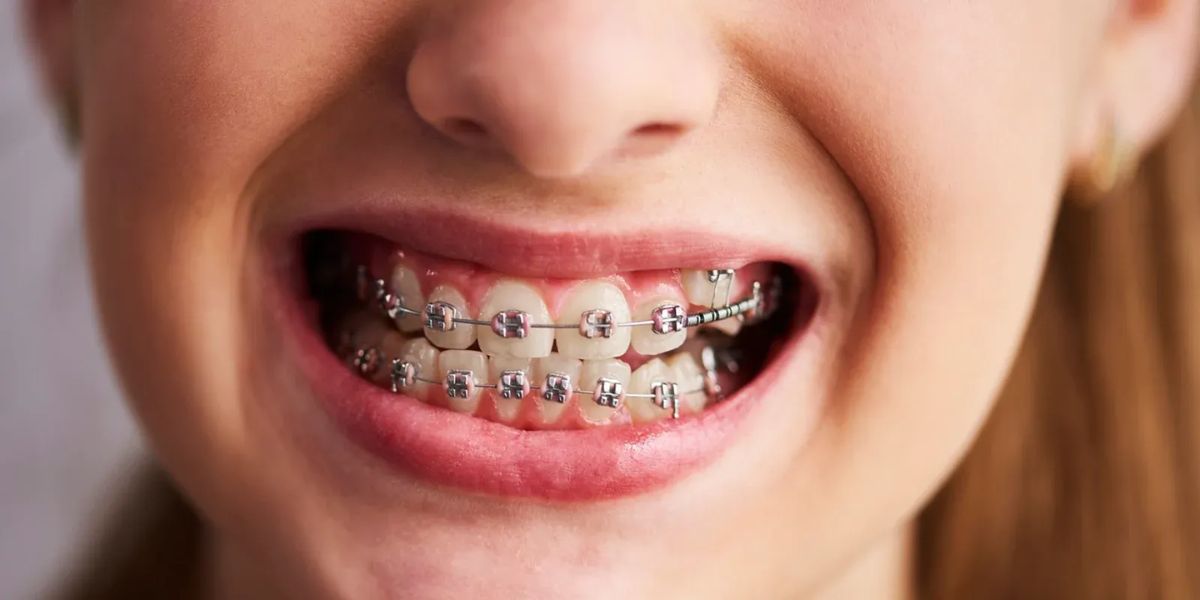
Traditional metal braces are the most well-known and widely used types of braces. They consist of high-grade stainless steel brackets attached to the front of the teeth and connected with an archwire. Small elastic bands or clips hold the wire in place while gentle pressure gradually moves the teeth into their correct positions.
Today’s metal braces are smaller, more comfortable, and far less noticeable than older designs.
Best For
Traditional metal braces work well for:
- Children and teenagers
- Adults with complex orthodontic issues
- Severe crowding
- Significant bite problems
- Patients requiring maximum tooth movement
Advantages
- Highly effective for all levels of orthodontic correction
- Usually the most affordable option
- Durable and reliable
- Suitable for complex cases
- Customisable with coloured elastic bands
Considerations
- Most visible type of braces
- Requires good oral hygiene
- Some foods should be avoided
2. Ceramic (Clear) Braces
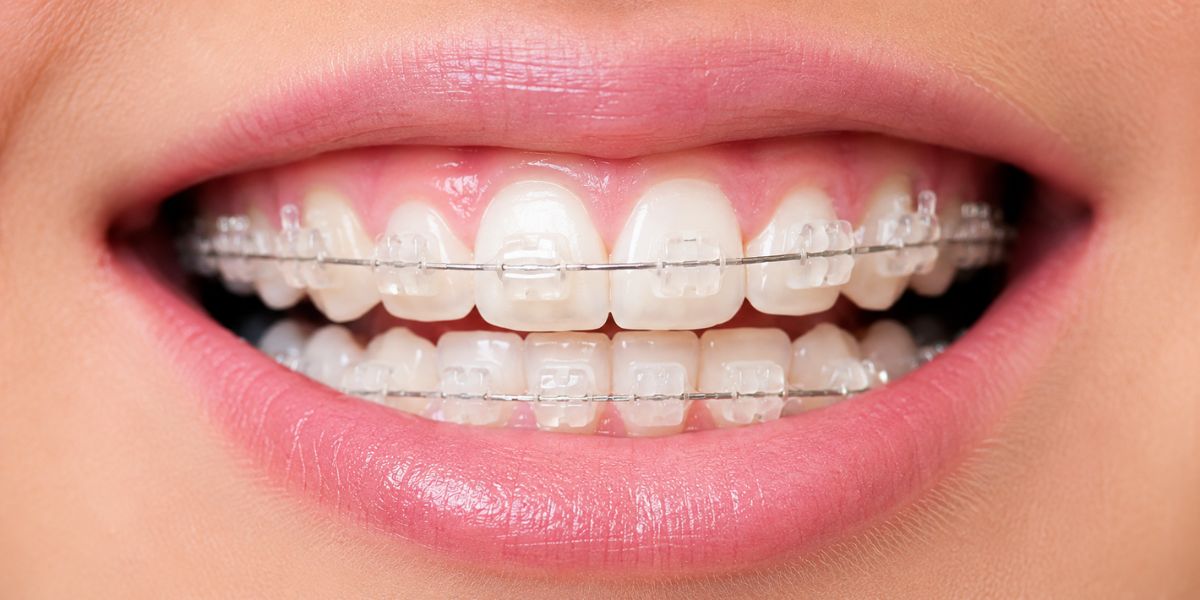
Ceramic braces function similarly to traditional braces but use tooth-coloured or clear ceramic brackets instead of metal ones. This makes them much less noticeable while delivering excellent orthodontic results.
Many adults choose ceramic braces because they provide a more discreet appearance without compromising effectiveness.
Best For
Ceramic braces are ideal for:
- Adults
- Older teenagers
- Professionals Patients concerned about appearance
- Moderate to severe alignment problems
Advantages
- Less visible than metal braces
- Effective for complex treatments
- Blend naturally with teeth
- Comfortable and durable
Considerations
- Slightly more expensive than metal braces
- Ceramic brackets can stain if not properly maintained
- May require extra care to prevent bracket damage
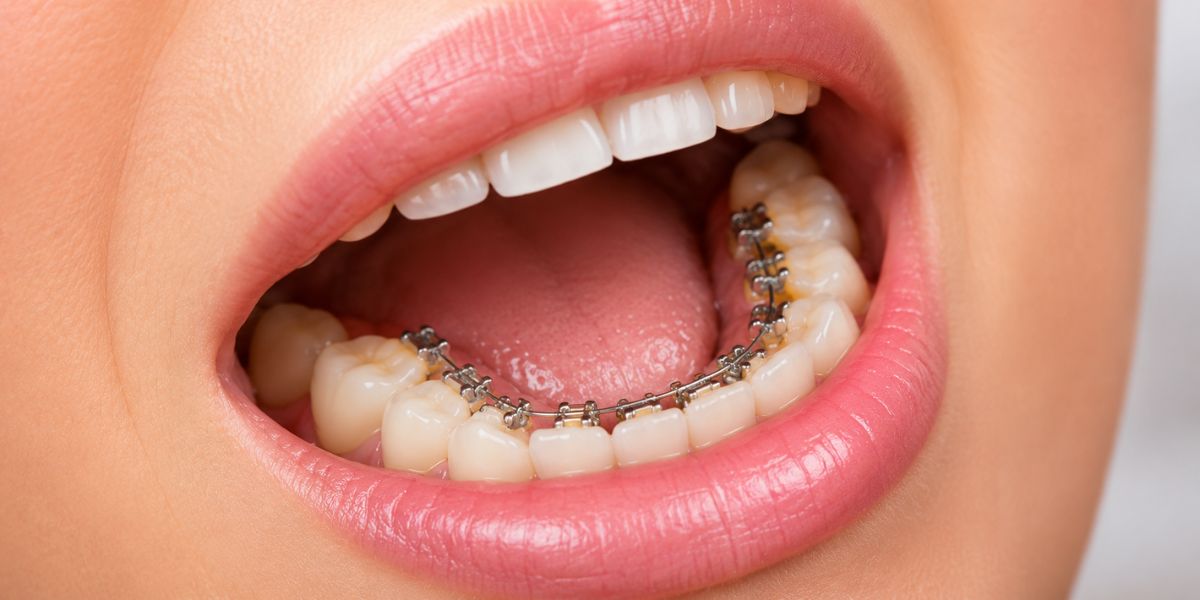
3. Lingual Braces
Lingual braces are attached to the back (tongue side) of your teeth instead of the front. Because they are hidden behind the teeth, they are virtually invisible when you smile.
Each bracket is custom-made to fit the unique shape of your teeth.
Best For
Lingual braces work well for:
- Adults seeking completely hidden treatment
- Professionals
- Public speakers
- Performers
- Patients wanting discreet orthodontic treatment
Advantages
- Completely hidden from view
- Effective for many orthodontic problems
- No visible brackets when smiling
- Suitable for patients concerned about aesthetics
Considerations
- More expensive than other braces
- Can affect speech initially
- Cleaning requires extra attention
- Adjustment appointments may take longer
4. Clear Aligners
Invisalign clear aligners are one of the most popular alternatives to traditional braces. Instead of brackets and wires, treatment uses a series of removable, transparent plastic trays that gradually move your teeth.
Each aligner is worn for approximately one to two weeks before progressing to the next set.
Best For
Clear aligners are suitable for:
- Adults
- Teenagers
- Mild to moderate crowding
- Small gaps
- Minor bite corrections
- Patients wanting nearly invisible treatment
Advantages
- Virtually invisible
- Removable for eating and brushing
- Comfortable with no metal wires
- Easier to maintain oral hygiene
- Fewer emergency appointments
Considerations
- Must be worn for 20–22 hours daily
- Not ideal for every complex orthodontic case
- Requires patient commitment and discipline

5. Self-Ligating Braces
Self-ligating braces resemble traditional braces but use specialised clips instead of elastic bands to hold the archwire in place.
The brackets allow the wire to move more freely, reducing friction during treatment.
Best For
Self-ligating braces are ideal for:
- Mild to severe alignment issues
- Teenagers
- Adults
- Patients seeking shorter adjustment appointments
Advantages
- Easier to clean Less friction during tooth movement
- Potentially fewer adjustment visits
- More comfortable for some patients
- Available in metal and clear versions
Considerations
- Slightly higher cost than traditional braces
- Not suitable for every orthodontic case
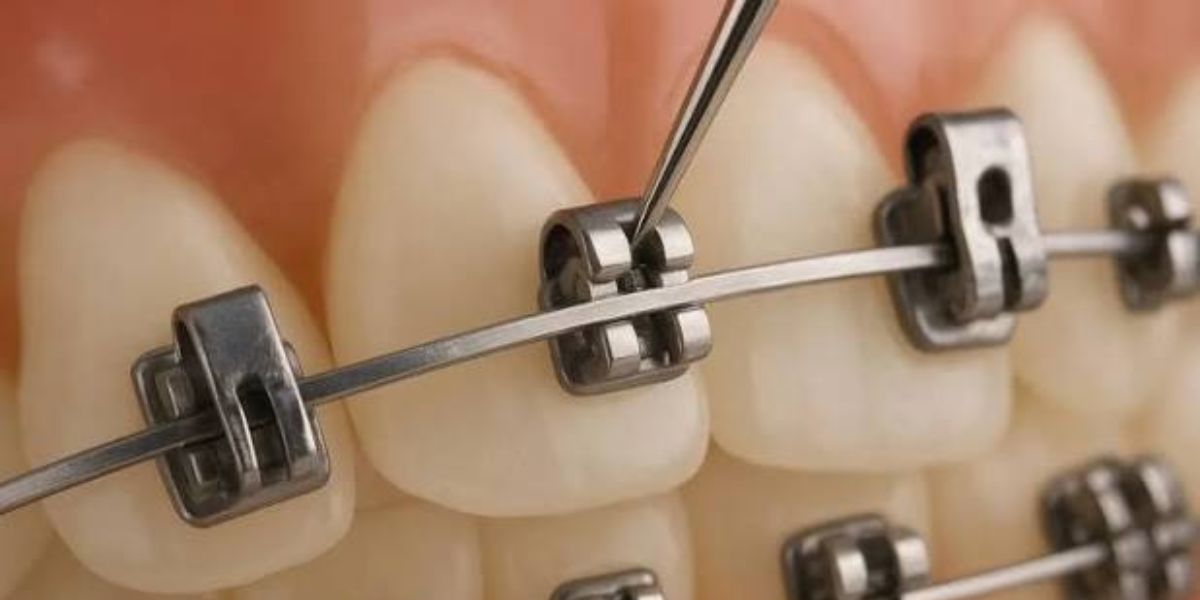
6. Damon Braces
Damon braces are an advanced type of self-ligating braces that use a sliding mechanism rather than elastic ties. This system allows teeth to move more naturally using lighter forces.
Best For
Damon braces are recommended for:
- Moderate to complex orthodontic problems
- Patients seeking efficient treatment
- Adults and teenagers
Advantages
- Comfortable tooth movement
- Reduced friction
- Easier cleaning Fewer adjustment appointments
- Attractive appearance with clear bracket options
Considerations
- Higher treatment cost
- Availability depends on your orthodontic provider
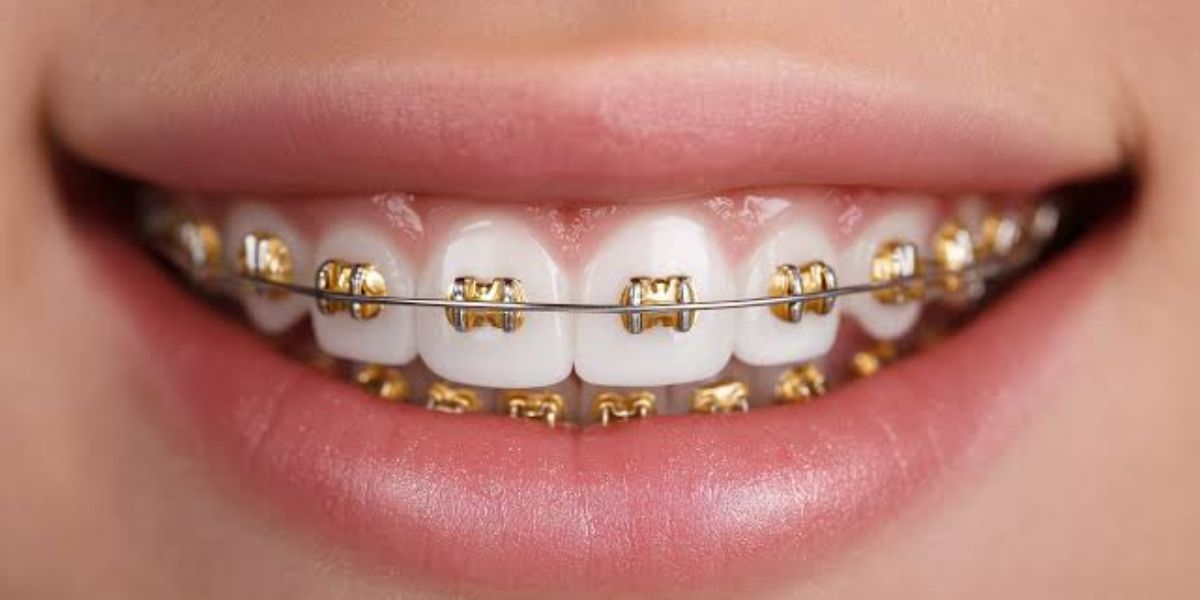
7. Gold Braces
Gold braces are similar to traditional metal braces but feature a gold-coloured stainless steel finish. They provide the same functionality while offering a unique cosmetic appearance.
Best For
Gold braces are suitable for:
- Patients wanting a distinctive appearance
- Individuals with nickel sensitivity (depending on materials used)
- Teenagers and adults
Advantages
- Stylish appearance
- Durable Same effectiveness as traditional braces
Considerations
- Primarily a cosmetic preference
- May cost slightly more
Why Choosing the Right Type of Braces Matters?
Not every smile is the same. The ideal orthodontic treatment depends on several factors, including:
- Your age
- The complexity of your bite
- Tooth alignment issues
- Lifestyle preferences
- Budget Treatment goals
Modern orthodontic braces can correct problems such as:
- Crooked teeth
- Overcrowding
- Gaps between teeth
- Overbite
- Underbite
- Crossbite
- Open bite
Your orthodontist will recommend the most suitable option after a comprehensive examination.
Comparing the Different Types of Braces
| Type of Braces | Visibility | Best For | Removable |
|---|---|---|---|
| Traditional Metal Braces | High | Complex cases | No |
| Ceramic Braces | Low | Adults and teens | No |
| Lingual Braces | Invisible | Adults wanting hidden treatment | No |
| Clear Aligners | Nearly Invisible | Mild to moderate cases | Yes |
| Self-Ligating Braces | Moderate | Efficient treatment | No |
| Damon Braces | Moderate | Comfortable treatment | No |
| Gold Braces | Visible | Cosmetic preference | No |
Final Thoughts
With so many types of braces available today, achieving a straighter, healthier smile has never been more convenient. Whether you prioritise affordability, aesthetics, comfort, or treatment efficiency, there’s an orthodontic solution to match your goals.
The best way to choose among the different types of teeth braces is through a professional assessment. At Chase Dental Practice, our experienced team will evaluate your smile, explain your options, and recommend the treatment that delivers the best long-term results.
Key Takeaways
- There are several different types of braces, each designed to meet different orthodontic needs.
- Traditional metal braces remain the most effective option for complex cases.
- Ceramic and lingual braces offer more discreet alternatives.
- Clear aligners provide removable, nearly invisible treatment for suitable cases.
- Self-ligating and Damon braces offer modern innovations that may improve comfort and reduce adjustment visits.
