

What is Toothache?
A toothache can range from mild sensitivity to severe, throbbing pain that makes it difficult to eat, sleep or concentrate. While some dental pain may be temporary, persistent or worsening toothache can be a sign of an underlying dental problem that needs professional attention.
If you are experiencing toothache in Cannock, the most important step is not simply to manage the pain at home but to find out what is causing it. Tooth decay, a cracked tooth, gum disease, dental infection, a damaged filling or wisdom tooth problems can all cause dental pain.
If your toothache is severe, persistent or affecting your everyday life, Chase Dental Practice can assess your symptoms and help determine the most appropriate treatment.
What Causes a Toothache?
Toothache is a symptom rather than a condition itself. The pain can come from the tooth, gums or surrounding tissues, and the underlying cause determines what treatment may be needed.
Common causes include:
Tooth Decay
Tooth decay is one of the most common causes of dental pain. As decay progresses through the outer layers of a tooth, it can eventually reach the sensitive inner part of the tooth.
You may notice:
- Sensitivity to hot or cold food and drinks
- Pain when eating something sweet
- Increasing tooth sensitivity
- Persistent or throbbing pain
If decay is detected early, a filling may be enough to restore the tooth. More advanced decay may require additional treatment.
Dental Abscess
A dental abscess is an infection that causes a collection of pus around a tooth or in the gums. It can cause intense toothache, swelling, a bad taste in the mouth, fever and difficulty chewing.
A dental abscess requires urgent dental assessment and does not simply disappear because the pain temporarily improves. If you think you may have a dental abscess, contact a dentist promptly.
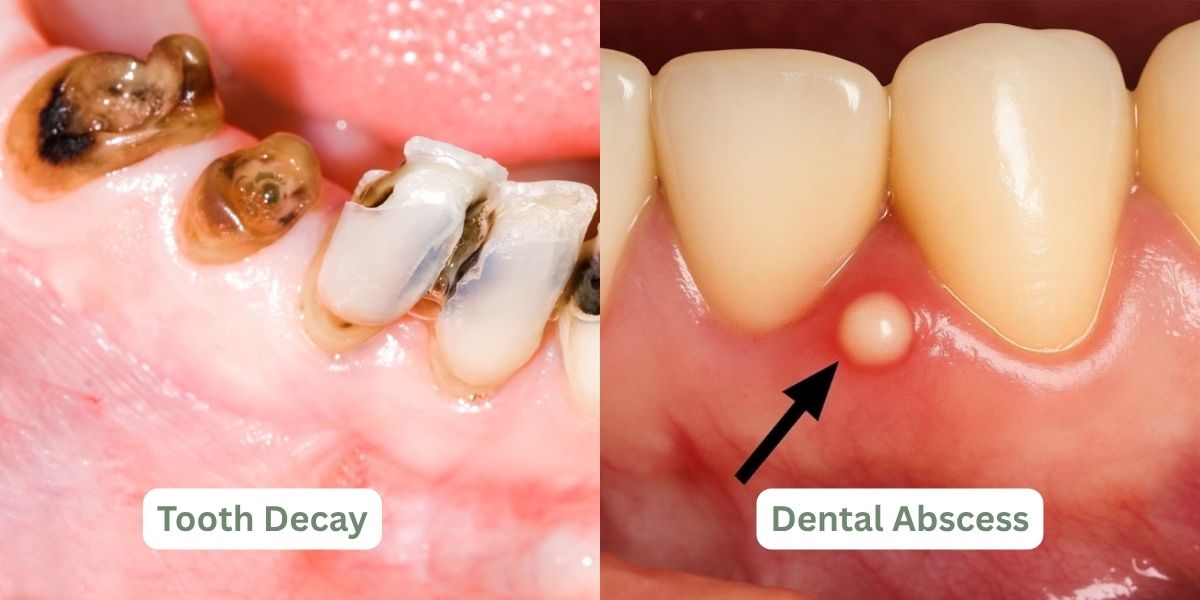
Cracked or Damaged Tooth
A cracked tooth can cause sharp or intermittent pain, particularly when biting or chewing. You may also experience sensitivity to hot or cold foods.
Not all cracks are easy to see, so a dental examination may be needed to determine the extent of the damage and the most appropriate treatment.
Gum Disease
Tooth pain is not always caused by the tooth itself. Gum disease can cause sore, swollen or bleeding gums and may eventually affect the structures supporting your teeth.
If you regularly experience bleeding gums, swelling, tenderness or bad breath, arrange a dental assessment rather than ignoring the symptoms.
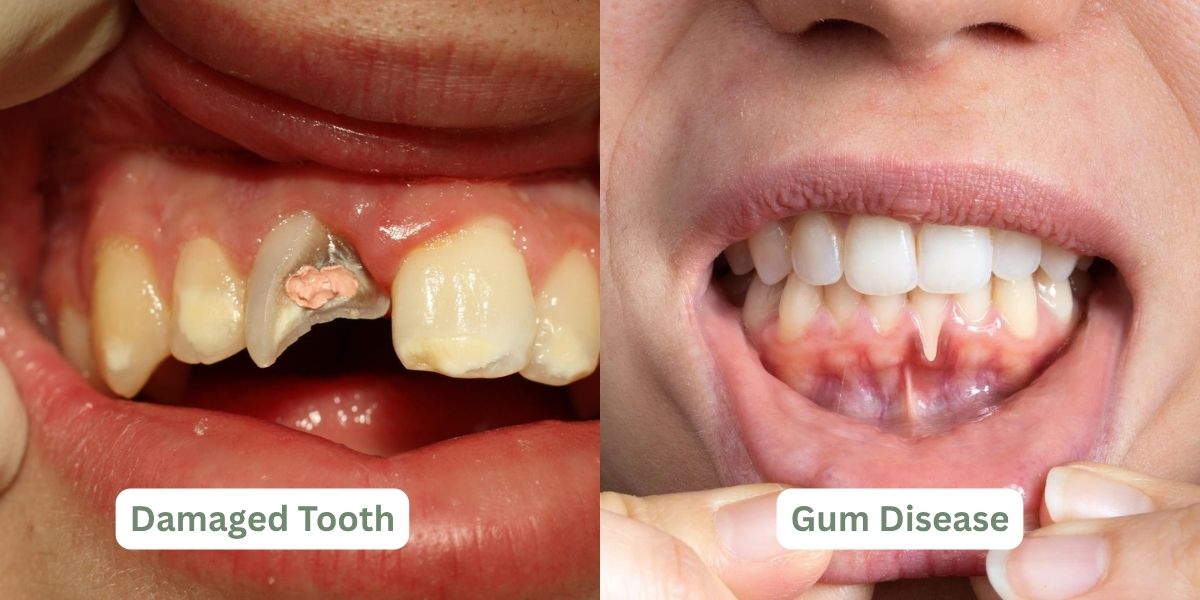
Tooth Sensitivity
Some people experience a sharp sensation when consuming hot, cold, sweet or acidic foods and drinks.
Tooth sensitivity can have several causes, including enamel wear, gum recession, tooth decay or exposed areas of the tooth.
If sensitivity is persistent or becoming worse, your dentist can investigate the cause.
Wisdom Tooth Problems
Wisdom teeth can sometimes cause pain when they are erupting or when there is not enough room for them to come through properly.
You may experience:
- Pain at the back of your mouth
- Swollen or tender gums
- Difficulty chewing
- Difficulty opening your mouth
- Repeated inflammation around the tooth
A dentist can assess the wisdom tooth and recommend appropriate treatment.
Loose or Broken Filling, Crown or Other Dental Work
If a filling, crown, bridge or veneer becomes damaged or comes loose, the affected tooth may become sensitive or painful.
Do not ignore the problem, particularly if the tooth is exposed or sharp. An assessment can determine whether the restoration can be repaired or needs to be replaced.
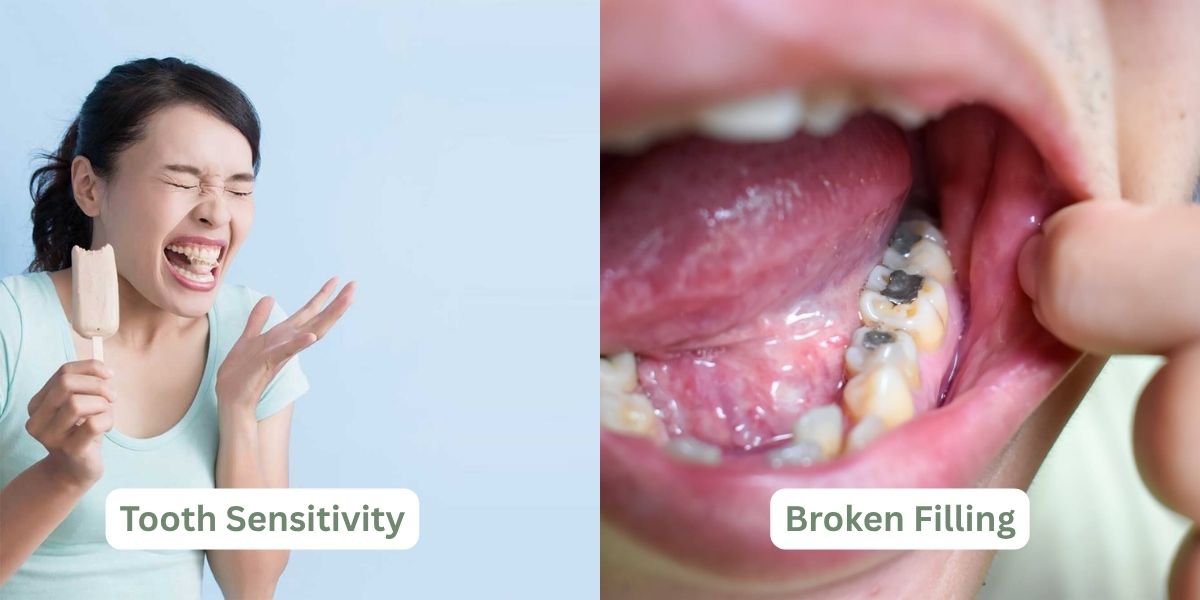
What Should I Do If I Have a Toothache?
If you develop toothache, the first thing to remember is that pain relief is usually only a temporary measure. The underlying cause still needs to be identified.
1. Arrange a Dental Appointment
If your toothache continues, keeps returning or is becoming worse, arrange an appointment with a dentist in Cannock town.
The advice is to see a dentist if toothache lasts more than two days, does not improve with painkillers, or occurs alongside symptoms such as fever, pain when biting, red gums, a bad taste or swelling.
2. Keep Your Mouth Clean
Continue brushing your teeth gently with fluoride toothpaste. Keeping the area clean can help prevent plaque and food debris from making the problem worse.
If the painful area is particularly sensitive, be gentle when cleaning around it.
3. Rinse With Warm Salt Water
A warm salt-water rinse may provide temporary relief while you are waiting to see a dentist. The dentist recommends dissolving half a teaspoon of salt in a glass of warm water, rinsing and then spitting it out rather than swallowing it.
Salt-water rinsing is not suitable for young children who may swallow the solution.
4. Choose Softer Foods
If chewing is painful, choose softer foods and avoid chewing on the affected side. You may also find it helpful to avoid foods and drinks that trigger your sensitivity.
5. Avoid Very Hot, Cold or Sugary Foods
Very hot, cold or sugary foods and drinks can sometimes make toothache worse, particularly when the tooth is sensitive.
6. Ask a Pharmacist About Suitable Pain Relief
Over-the-counter pain relief may help you manage dental pain while waiting for professional care. Ask a pharmacist for advice if you are unsure which medicine is suitable for you.
Do not place aspirin directly against your tooth or gum, as this can damage the tissue.
Important: Painkillers can reduce symptoms but do not remove the underlying cause of toothache.
How Long Can You Leave a Toothache?
It is generally not a good idea to ignore persistent toothache. If the toothache lasts for more than two days or is accompanied by symptoms such as swelling, fever, pain when biting, red gums or a bad taste it’s important to arrange a dental assessment promptly.
Even if the pain suddenly disappears, this does not necessarily mean the underlying problem has been resolved. A tooth that has been causing pain may still have decay, infection, structural damage or another dental problem requiring treatment.
If your toothache keeps coming back, book a dental assessment rather than waiting.
Can Toothache Go Away on Its Own?
Sometimes dental pain can temporarily improve, but that does not necessarily mean the cause has gone away.
For Example: A damaged or infected tooth may initially cause significant pain that later changes or reduces. The underlying dental problem can still remain.
A dental abscess, in particular, requires treatment and will not simply disappear on its own.
If your toothache has lasted more than two days, keeps returning or is getting worse, arrange an appointment with a dentist.
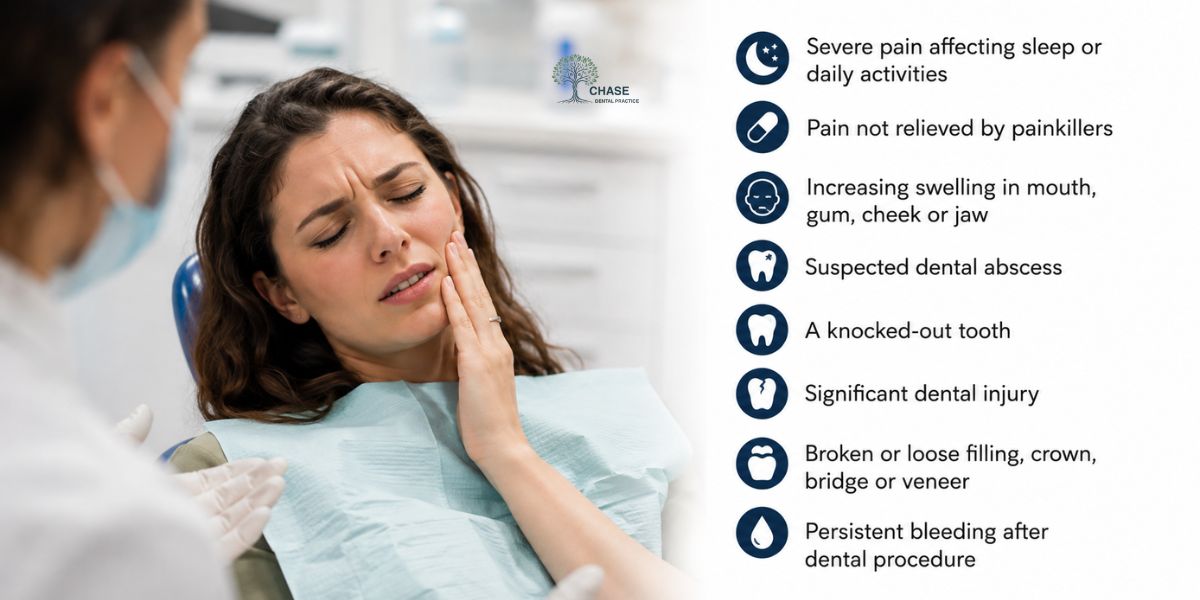
When Is Toothache a Dental Emergency?
Not every toothache requires emergency treatment, but some symptoms need urgent dental assessment.
You should seek urgent dental care if you have:
- Severe tooth or mouth pain affecting sleep or daily activities
- Dental pain that is not adequately controlled by appropriate pain relief
- Increasing swelling in your mouth, gum, cheek or jaw
- A suspected dental abscess
- A knocked-out tooth
- A significant dental injury
- A broken or loose filling, crown, bridge or veneer causing problems
- Persistent bleeding following a dental procedure
If swelling is affecting your breathing, swallowing or ability to speak, seek emergency medical attention immediately.
When Should Toothache Be Treated as a Medical Emergency?
Some symptoms require immediate medical attention rather than waiting for a routine dental appointment.
Seek emergency medical help if you have severe swelling around the mouth, lips, throat or neck that affects breathing, swallowing or speaking. Swelling around the eye or problems with vision can also require emergency attention.
If you are unsure whether your symptoms require emergency care, get urgent dental treatment.
Do I Need an Emergency Dentist for Toothache?
If your toothache is severe, persistent or affecting your ability to sleep or carry out normal activities, you may need an urgent dental appointment.
For patients searching for an emergency dentist in Cannock, the first step is to contact a dental practice and explain your symptoms.
At Chase Dental Practice in Cannock, our dental team can assess your symptoms and advise you about the most appropriate next step.
Whether your pain is caused by decay, a damaged tooth, an infection, gum problems or another issue, an examination can help identify the cause and determine the appropriate treatment.
What Will a Dentist Do for Toothache?
When you visit a dentist with tooth pain, the first priority is identifying the cause.
Your appointment may include:
1. Dental Examination
Your dentist will examine the painful tooth, gums and surrounding areas and ask questions about your symptoms.
You may be asked:
- When did the pain begin?
- Is the pain constant or intermittent?
- Is it worse when biting? Does hot or cold trigger it?
- Have you noticed swelling?
- Have you experienced a bad taste?
- Have you recently damaged or had treatment on the tooth?
2. X-Ray or Further Assessment
Depending on your symptoms, your dentist may recommend an X-ray or other diagnostic assessment to help identify problems that cannot be seen during a routine examination.
3. Treatment Plan
Once the cause has been identified, your dentist will explain the available treatment options. Treatment will depend entirely on the condition of the tooth and surrounding tissues.
How Is Toothache Treated?
There is no single treatment for toothache because the correct treatment depends on the underlying cause.
- Tooth Decay: A filling may be appropriate if the decay can be treated without affecting the nerve of the tooth.
- Deep Decay or Infection: If the inner part of the tooth has become infected or severely damaged, root canal treatment may be considered to remove the infection and preserve the natural tooth.
- Cracked or Damaged Tooth: Depending on the severity and location of the damage, treatment may involve a filling, crown or another restoration.
- Dental Abscess: Dental treatment is needed to address the source of the infection. The appropriate treatment will depend on the affected tooth and the extent of the infection.
- Gum Disease: If gum disease is contributing to your symptoms, your dentist may recommend professional cleaning, improved oral hygiene or further periodontal treatment.
- Wisdom Tooth Problems: Depending on the cause and position of the wisdom tooth, your dentist may recommend monitoring, cleaning and treatment of the surrounding area or other appropriate dental care.
- Severely Damaged Tooth: If a tooth cannot be safely restored, extraction may sometimes be necessary. Your dentist should explain the available options before treatment.
Toothache at Night: Why Does It Feel Worse?
Many people notice that toothache seems more intense at night. When you are trying to sleep, there are fewer distractions from the pain. Lying down may also make some people more aware of pressure or throbbing sensations.
If tooth pain is regularly waking you during the night, don’t simply rely on pain relief. Severe dental pain affecting your sleep or normal activities is one of the situations where urgent dental advice may be appropriate.

What Should I Do If My Tooth Hurts When I Bite?
Pain when biting can have several possible causes, including tooth decay, a cracked tooth, inflammation around the tooth or other dental problems.
It is important not to diagnose the cause yourself. If biting consistently causes pain, arrange a dental examination so your dentist can identify what is happening and recommend appropriate treatment.
What Should I Do If My Face or Jaw Is Swollen?
Facial or jaw swelling associated with toothache can be a sign of infection and should not be ignored.
Contact a dentist urgently if you have toothache accompanied by swelling. If swelling becomes severe or affects your ability to breathe, swallow or speak, seek emergency medical attention immediately.
How Can I Prevent Toothache?
The best way to reduce your risk of toothache is to maintain good oral health and have dental problems identified early.
- Brush Twice a Day: Brush for around two minutes twice a day using fluoride toothpaste.
- Clean Between Your Teeth: Use floss or interdental brushes to remove plaque and food debris between your teeth.
- Reduce Frequent Sugar Intake: Frequent consumption of sugary foods and drinks increases the risk of tooth decay. Try to keep sugary items to mealtimes rather than consuming them frequently throughout the day.
- Attend Regular Dental Check-Ups: Regular examinations can help your dentist identify developing problems before they become painful.
- Don’t Ignore Early Symptoms: Sensitivity, bleeding gums, a chipped tooth or occasional discomfort may be easier to treat when identified early.
Toothache Treatment in Cannock: Where Can I Get Help?
If you’re experiencing toothache in Cannock, the right treatment depends on what’s causing the pain. At Chase Dental Practice, our dentist can assess your symptoms, examine the affected tooth and explain the treatment options available. Treatment may include a filling, root canal treatment, restoration, gum treatment or extraction, depending on the condition of the tooth.
The practice is located on Wolverhampton Road in Cannock and welcomes patients from Cannock and surrounding areas including Hednesford, Heath Hayes, Great Wyrley, Cheslyn Hay, Norton Canes, Burntwood and Penkridge.
Why Choose Chase Dental Practice?
- Experienced Dental Team: Care from experienced dental professionals.
- Private Dental Care: Treatment options for different patient needs.
- Wide Range of Treatments: From routine dental care to restorative and emergency treatment.
- Patient Focused Approach: Clear explanations and personalised treatment planning.
- Convenient Cannock Location: Serving patients in Cannock and surrounding Staffordshire areas.
Don’t Let Toothache Take Over Your Day
Toothache is your body’s way of telling you that something may need attention. If the pain is persistent, keeps returning, affects your sleep or is accompanied by swelling, don’t simply continue taking pain relief and hope it disappears.
If you’re looking for a dentist in Cannock for toothache or urgent dental care, Chase Dental Practice is here to help.
